Car buying · The number that matters
Out-the-door price: what it means, what’s in it, and how to ask for it
The out-the-door price is everything you pay to drive the vehicle home: the vehicle, the dealer’s fees, your state’s tax, and the title and plates. It is the only number worth comparing between dealers, and the one most quotes leave out.
What’s in it
Six lines, top to bottom
Every out-the-door quote should itemize these. If one is missing, the quote is not out-the-door.
- The vehicle price
- The sticker (MSRP) less the dealer’s discount and any factory cash you qualify for. The destination charge is already inside the sticker on a new vehicle; it should not appear again below.
- Dealer add-ons
- Nitrogen in the tires, paint and fabric protection, window etching, wheel locks, “protection packages.” Often pre-installed and pre-printed on an addendum sticker. All of it is negotiable and most of it is declinable.
- The documentation fee
- The dealer’s charge for paperwork. Neither North Carolina nor Virginia caps it, and both run high: CarEdge’s 2026 report, built from more than 87,000 verified out-the-door quotes, puts the North Carolina average at $754 and Virginia’s at $848, against a national average of $473. Dealers rarely drop it, but a high doc fee can be offset in the vehicle price, which is why the total is the only number to compare.
- Sales tax
- Charged by the state where you title the vehicle, not where you buy it. North Carolina’s highway use tax is 3%, figured on the price after a trade-in is subtracted. Virginia’s motor vehicle sales and use tax is 4.15% of the gross price, including the dealer’s processing fee, with no reduction for a trade-in. Buy in one state and register in another, and you pay the home state.
- Title and registration
- The state’s title fee and the plate or transfer fee, usually a few dozen to a couple of hundred dollars depending on the state and the plate.
- Optional products
- Extended service contracts, GAP insurance, prepaid maintenance. Sold in the finance office, after the price is agreed. They belong on the quote only if you asked for them.
How to ask
In writing, itemized, same vehicle
Three habits make a dealer’s quote comparable to another dealer’s quote.
-
1
Ask by email, not on the lot
A written out-the-door quote on a specific stock number or build, with every line shown. A monthly payment is not a price.
-
2
Same trim, same options
Two quotes are only comparable on the same vehicle. A cheaper quote on a trim one step down is a different vehicle.
-
3
Compare the bottom line only
Let one dealer charge more for the car and less for fees, or the reverse. The out-the-door total is what you pay; everything above it is arrangement.
On the certificate
Why our certificate is printed this way
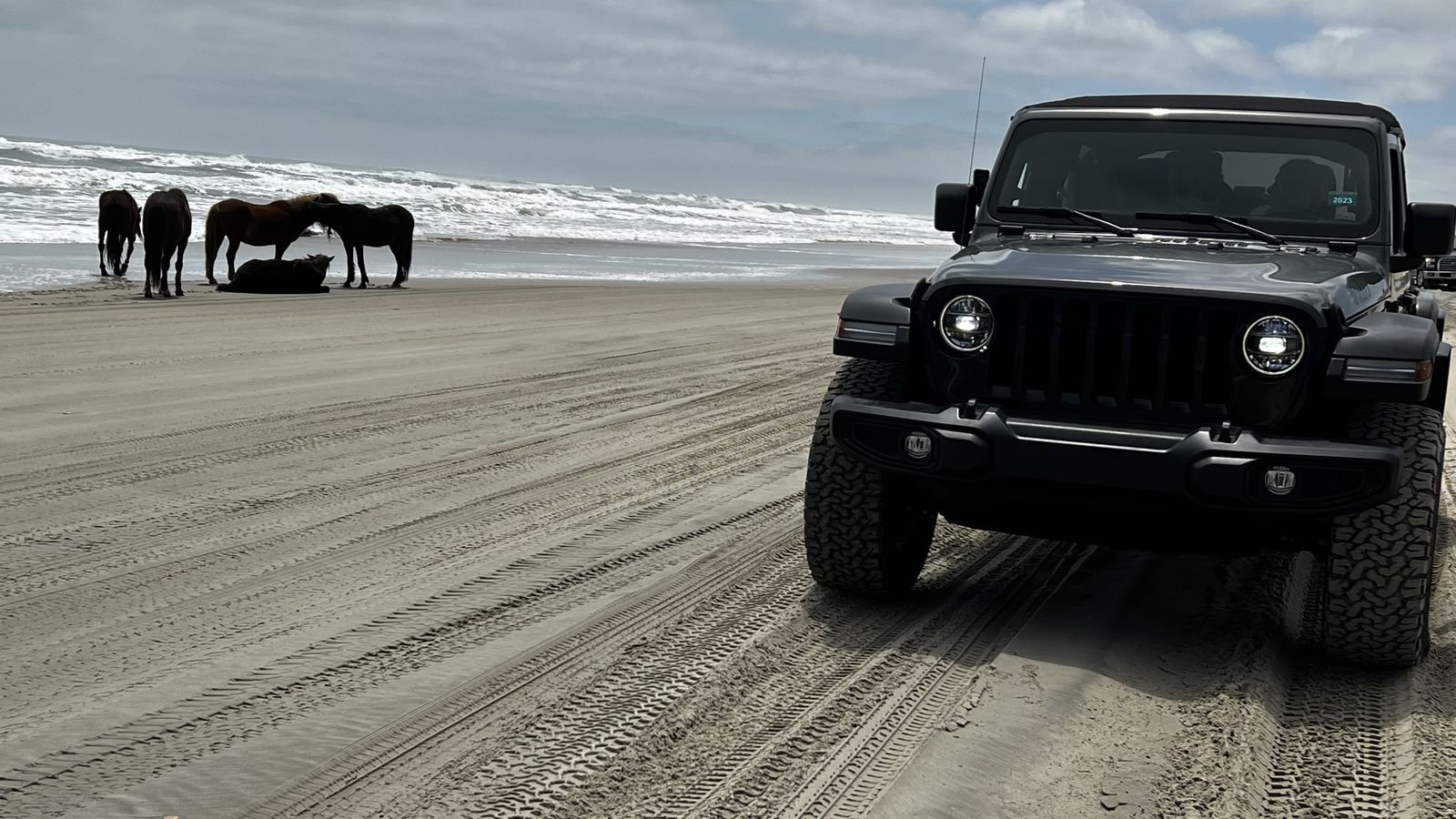
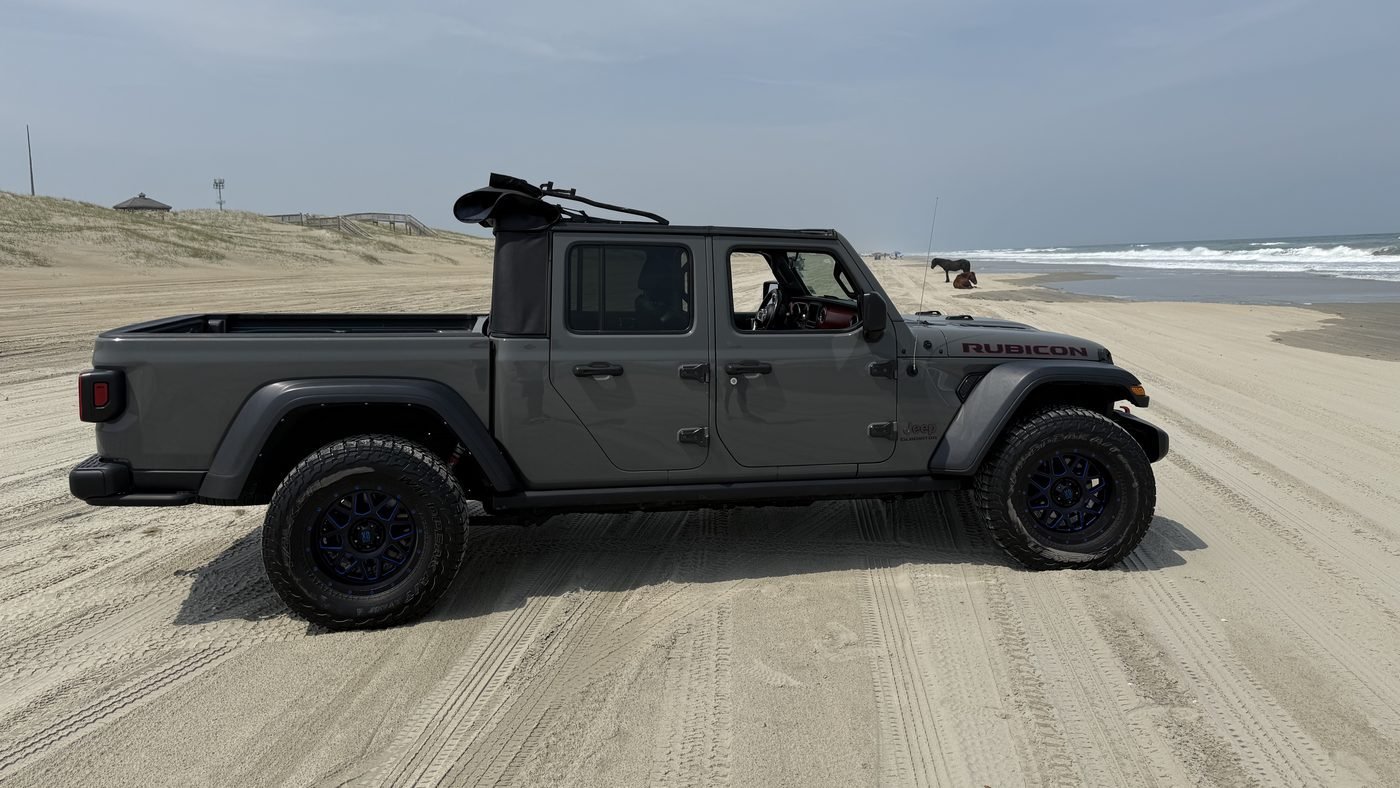
After half a day in a vehicle on the Carova 4x4 beach, a driver in the Carolina Auto Program gets the dealer’s price on a numbered certificate that evening. Every line above is on it: sticker, the dealer’s discount, factory cash, the program price, the delivery fee if a dealer near your home hands over the keys, and the out-the-door total for your state. Nothing is added at signing, and the dealer’s discount holds for 30 days.
It is printed that way for the same reason you should ask for quotes that way: so the number can be compared, and so that if another store beats it in writing within the 30 days, you can show us, and the $325 comes back.
How the experience works · How the member car-buying programs handle price
Questions
Straight answers
What does out-the-door price mean?
The total you pay to drive the vehicle home: the vehicle price after discounts and incentives, dealer add-ons and the documentation fee, your state’s sales tax, and title and registration. Compare dealers on this number and nothing else.
Is destination included in the out-the-door price?
Yes, because it is already part of the sticker price on a new vehicle. If a quote lists destination again below the vehicle price, it is being charged twice.
Is the doc fee negotiable?
Dealers almost never remove it, because they charge every customer the same fee. The vehicle price is negotiable, so a high doc fee can be offset there. North Carolina and Virginia do not cap doc fees, and CarEdge’s 2026 quote data puts their averages at $754 and $848, well above the $473 national average.
Is sales tax based on where I buy or where I live?
Where you title and register the vehicle. A Virginia resident buying in North Carolina pays Virginia’s 4.15% when the vehicle is titled in Virginia, not North Carolina’s 3% highway use tax.
What is not in an out-the-door price?
Your insurance, any annual property tax your state or county charges on vehicles, fuel, and anything you add after the sale.
Why do dealers quote monthly payments instead?
Because a payment hides the price. Stretch the loan, add products, and the payment can look fine while the out-the-door total climbs. Ask for the total first; discuss financing after.
The Carolina Auto Program · Open all year
Half a day on the sand. Then the price, in writing.
$325 a vehicle for the full five and a half hours, any month of the year. Request a date on the main page and we confirm by email the same day, with the booking link and the online license and insurance check. Questions? Call or text (252) 564-4218.
Keys at the Hilton Garden Inn in Kitty Hawk, half a day up North Carolina Highway 12 and the Carova 4x4 beach, nobody riding along. That evening, the dealer’s no-haggle price on a certificate good for 30 days. The whole experience, start to finish.